Serving Littleton & Arapahoe County, CO
Littleton hail roof replacement after severe storms
Book a free inspection before Colorado's 2-year hail claim deadline starts closing your options.
Serving Littleton & Arapahoe County, CO
Book a free inspection before Colorado's 2-year hail claim deadline starts closing your options.
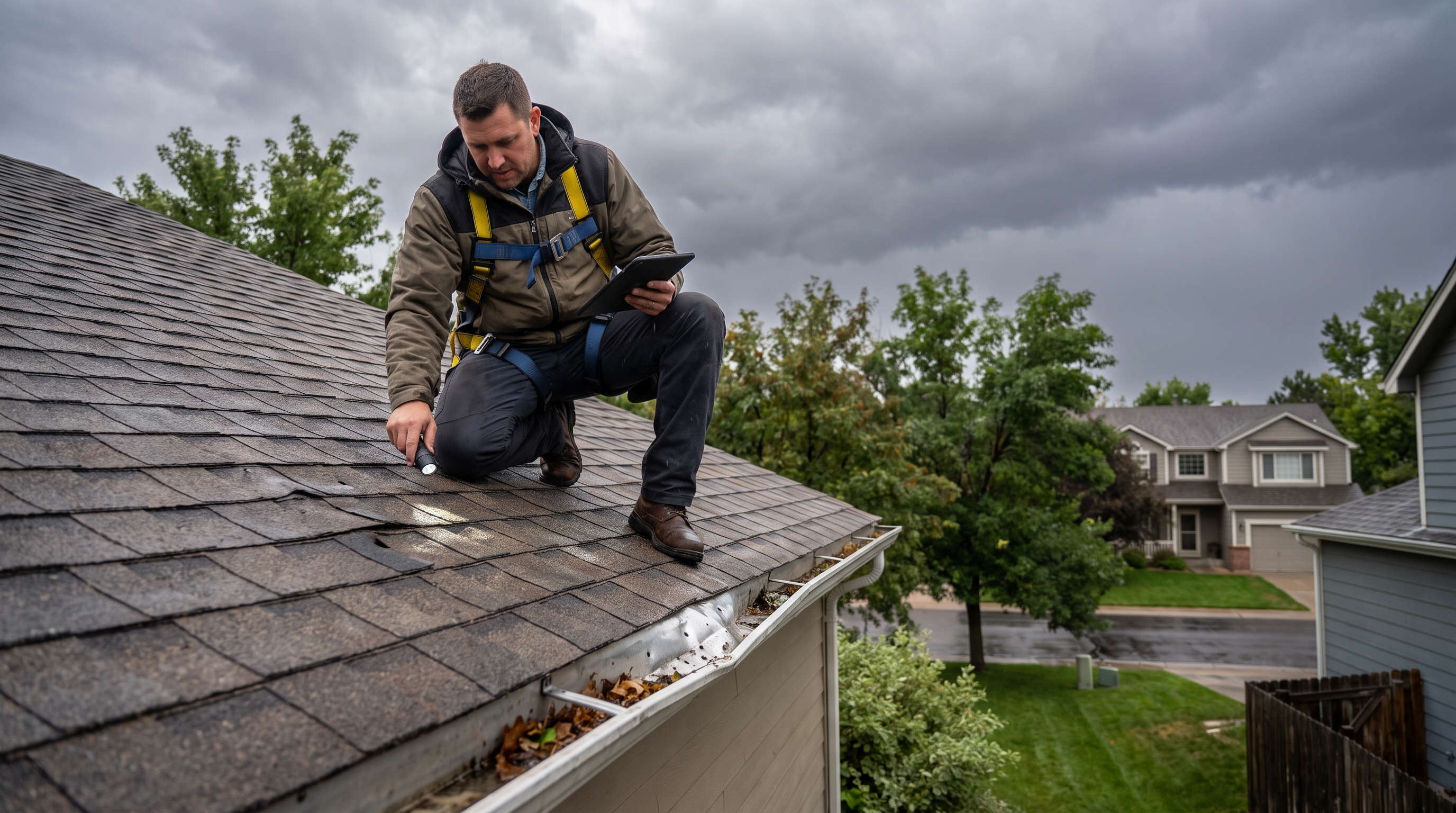
Littleton sits in one of the most hail-active corridors in the country. From May through August, Front Range supercells can drop golf ball to baseball size hail across Arapahoe County and the Denver South Metro with very little warning. A roof can look normal from the driveway while the shingles have bruised asphalt mats, loosened granules, and damaged metal components.
In Littleton, hail damage is often layered. One storm may bruise the west-facing slopes, another may dent gutters and vent caps, and a later storm may finish off shingles that were already weakened by high-altitude UV exposure. That is why a quick ground-level look is not enough after a serious storm.
Colorado homeowners also have insurance details to sort out quickly. Hail claims generally face a 2-year statute of limitations, and many property owners do not learn whether they have ACV or RCV coverage until the first claim paperwork arrives. ACV policies can withhold depreciation, while RCV policies usually release recoverable depreciation after approved work is complete.
Littleton Hail Roof Replacement connects homeowners with licensed roofing contractors who inspect shingles, gutters, vents, flashing, ridge caps, and other metal components before a claim is filed. Proper photo documentation from a certified inspector can make the difference between a vague roof concern and an insurance-ready hail damage report.
Littleton homes deal with a specific mix of hail, steep rooflines, sun exposure, and insurance pressure. Many neighborhoods have asphalt architectural shingles, attached gutters, painted metal vents, skylights, and complex roof planes that need careful slope-by-slope inspection after a storm.
The contractors we connect you with understand how Colorado carriers review hail claims. They document functional damage, separate old wear from fresh impact marks, meet adjusters when needed, and explain ACV versus RCV so homeowners are not surprised by depreciation or supplement issues later.
More about us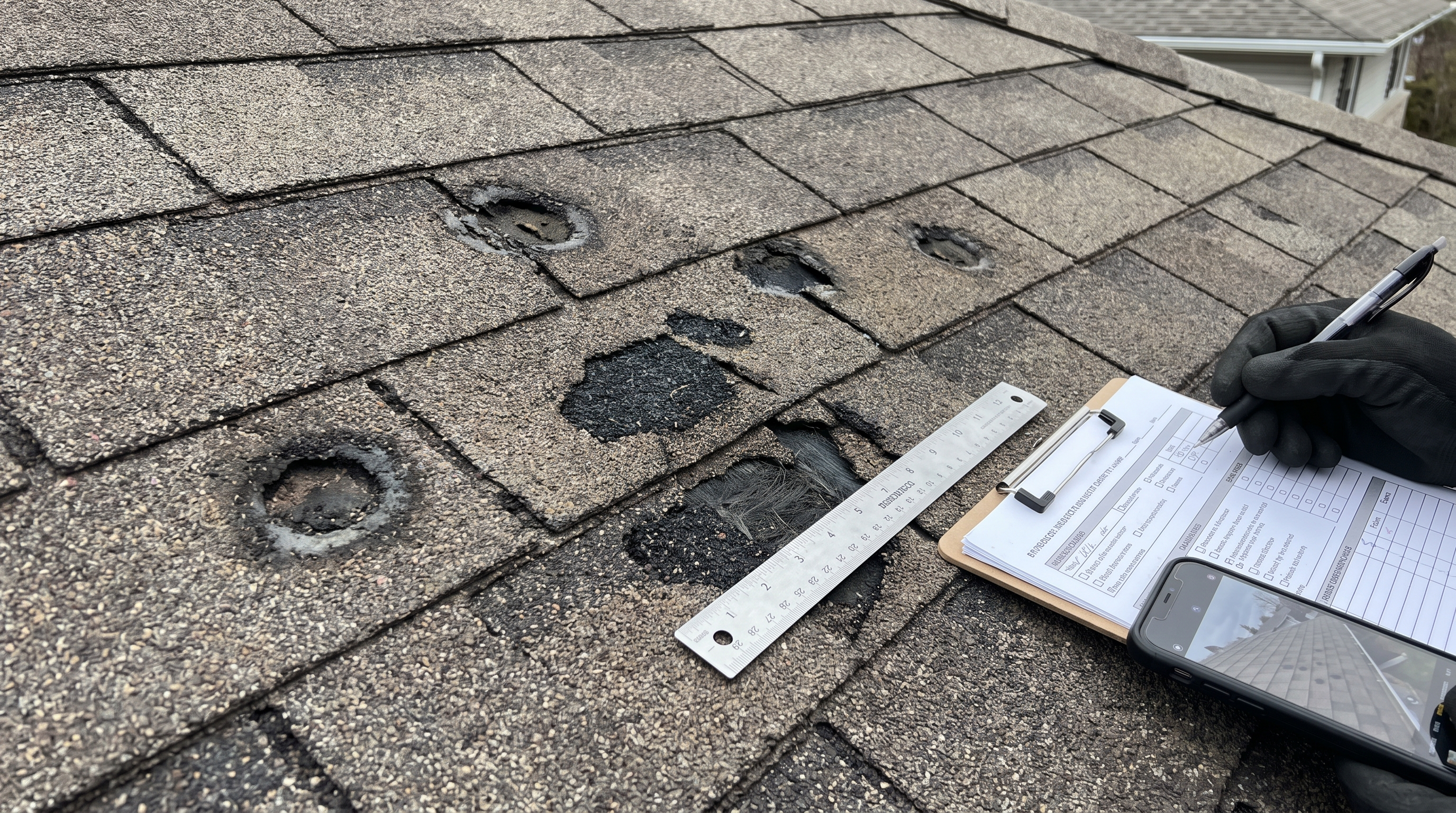
Hail roof replacement in Littleton usually starts with documentation, not demolition. These services help homeowners confirm damage, protect claim deadlines, and repair the full exterior scope tied to the storm.
A no-cost roof and exterior inspection documents hail impacts before you decide whether to file a claim.
Learn more →Detailed hail assessments separate functional shingle damage from age, wear, cosmetic dents, and unrelated roof issues.
Learn more →Claim support helps homeowners understand estimates, adjuster meetings, ACV versus RCV, supplements, and completion paperwork.
Learn more →Full roof replacement removes hail-compromised shingles and installs a complete system suited for Colorado storms and sun exposure.
Learn more →Hail-dented gutters and downspouts are documented and replaced when storm impact compromises function or claim scope.
Learn more →Storm-damaged vents, flashing, caps, drip edge, and other metal roof components are inspected, documented, and repaired or replaced.
Learn more →Service is available across Littleton and nearby south metro communities, including Englewood, Centennial, Highlands Ranch, Lone Tree, and Parker. These towns sit along the same Front Range storm track, where summer cells can intensify over the foothills and push east across Arapahoe and Douglas County neighborhoods.
The area includes older ranch homes, newer subdivisions, steep-slope roofs, large gutter systems, and high-value exterior finishes. Matching the right contractor matters because a claim in Highlands Ranch can look different from a claim in central Englewood or a newer Parker neighborhood.
See all service areas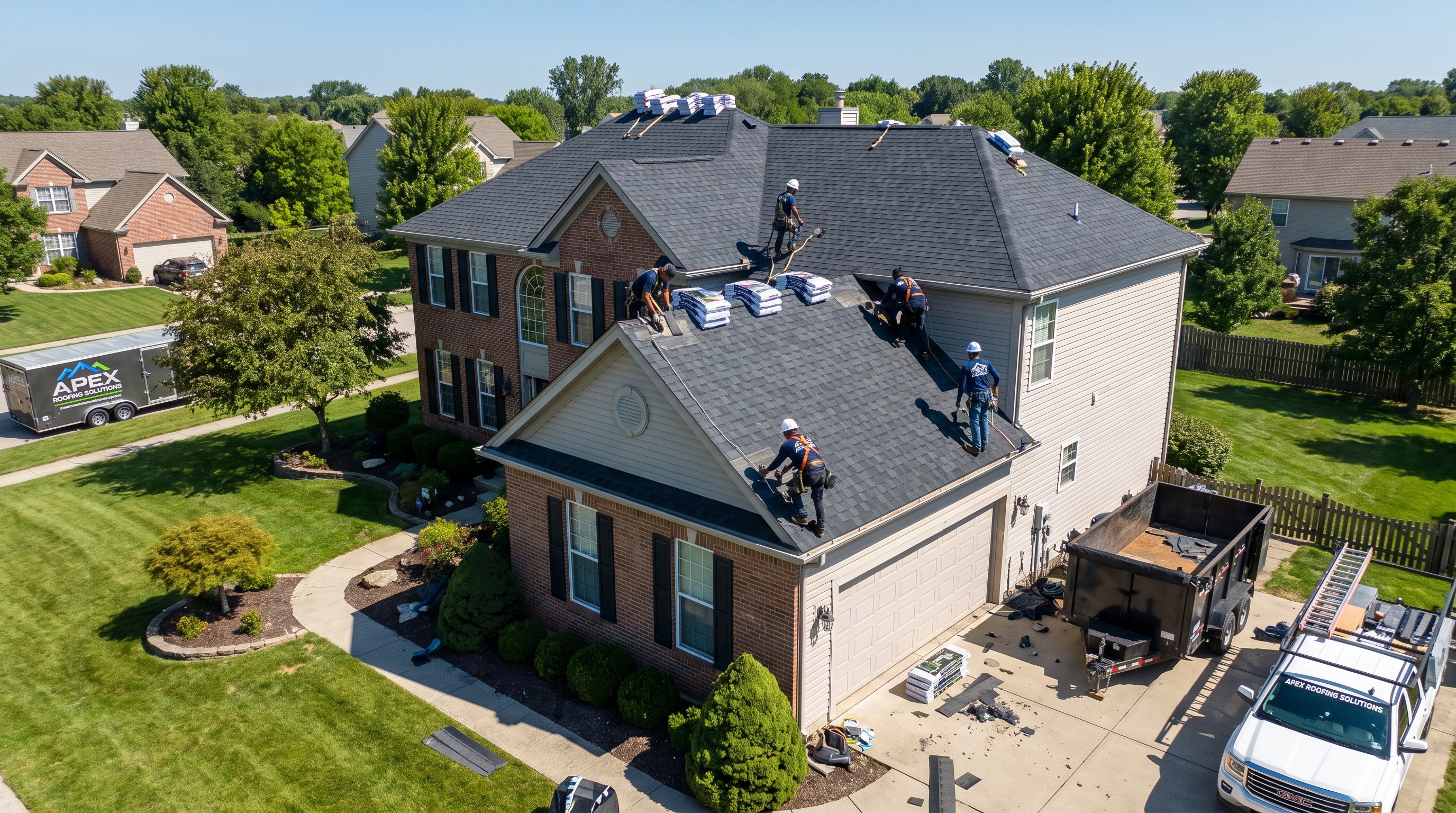
Insurance carriers want a storm date, a damage pattern, and clear photos of functional damage. Contractors inspect each roof slope, mark test squares, photograph shingle bruising, and document dents on gutters, vents, caps, and flashing before the claim conversation gets serious.
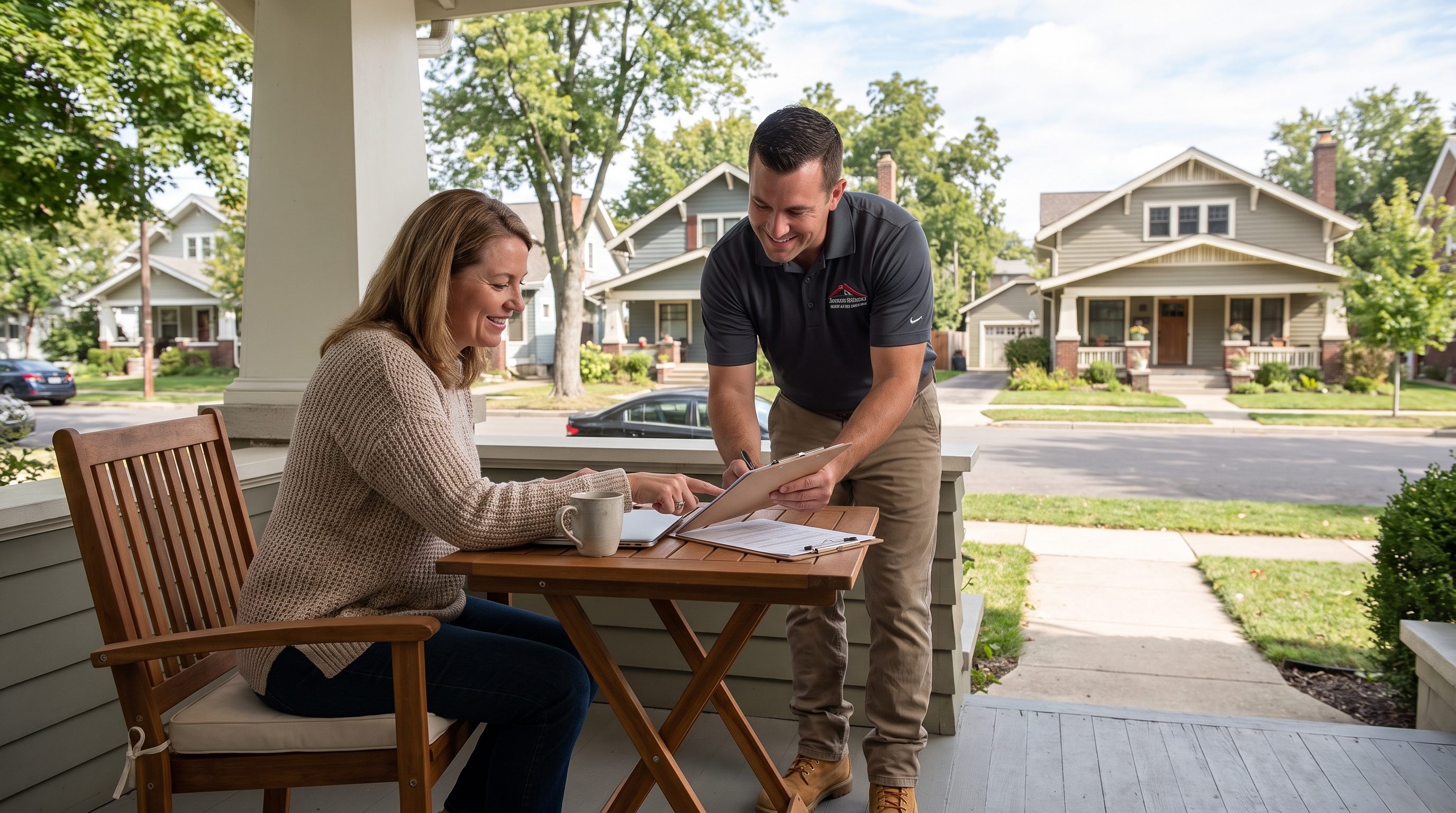
Many Colorado homeowners do not know whether depreciation will be withheld until they read the estimate. The contractor can help you understand the difference between Actual Cash Value, Replacement Cost Value, and recoverable depreciation before you make decisions about the roof.
Littleton, Highlands Ranch, and Lone Tree homes often have steep pitches, multiple valleys, dormers, skylights, and tall elevations. Those details affect access, safety, material quantities, supplement items, and the way hail impact patterns should be documented.
A hail claim may involve more than shingles. Gutters, downspouts, valley metal, roof vents, chimney caps, drip edge, window screens, and soft metals can all show impact evidence that supports the full storm scope.
Functional hail damage usually shows as bruising in the asphalt mat, circular granule loss, fractured shingle surfaces, or dents in metal components that match the storm direction. A certified inspector should check the roof up close, not just from the ground. Littleton roofs often have damage on windward slopes that is easy to miss from the street.
Many Colorado hail roof claims fall in the $12,000 to $35,000 range, depending on roof size, pitch, materials, code items, gutters, and metal accessories. Your deductible, ACV or RCV policy type, and the approved insurance scope determine what you pay out of pocket. A contractor can review the estimate and identify missing storm-related items.
Yes. A free contractor inspection before filing helps confirm whether there is enough functional damage to support a claim. The report can include storm date notes, slope photos, test squares, shingle bruising, and metal impact photos so the adjuster has a clearer record.
Roofing contractors serving Littleton should carry proper local licensing, insurance, and any required registrations for the jurisdictions where they work. Ask the matched contractor for proof before signing a contract. A legitimate storm contractor should have no issue providing documentation.
ACV means the carrier can subtract depreciation from the roof payment, which may leave a larger balance than expected. RCV usually pays replacement cost, often with recoverable depreciation released after the roof is completed and paperwork is submitted. A contractor cannot change your policy, but they can help you understand what the estimate means before work starts.
No obligation. Most inspections can be scheduled quickly after a major south metro hailstorm.
Free — no obligations